Vesta was the goddess of the hearth, the home, and domestic life in the Roman religion (idenitified with the Greek goddess Hestia). She was the first-born of the titans Kronos and Rhea and, like the others, was swallowed by her father. When her brother Jupiter (the Greek Zeus), who managed to escape their father's appetite, freed his siblings, Vesta was the last to be released (because she was the first swallowed) and so is regarded as both the oldest and the youngest of the gods. She was very beautiful and attracted the attention of both Apollo and Neptune who fought for her hand. Vesta rejected them both, however, and begged Jupiter to allow her to remain forever a virgin. When he consented to this, Vesta was pleased and took care of his home and hearth; thus identifying her with domestic life but, more importantly, with domestic tranquility.
The hearth fire in the home of the ancient Romans was not only essential for cooking food and heating water, but also served as the gathering place for the family and, in time, became associated with the spirit of that particular family gathered around that particular hearth. The Latin word for `hearth' is focus which, of course, is used in English to designate a center or activity of interest. The hearth in Rome was most certainly such a center of activity and the fire which burned there was most important. Sacrifices to the gods of the home were made by the fire and thrown into the flames. When one left home on a business trip, or even on vacation, one carried some of the hearth fire along in order to keep one's home close even when away. Further, the difficulty of making or transporting fire made the constantly-burning hearth a vital element in the home as well as state buildings. Vesta, therefore, along with the house spirits of the Penates, Panes and Lares, was a goddess revered in every strata of Roman society as she was thought to literally "keep the home fires burning" from the most modest apartment to the grandest villa.
In the shrine of Vesta in the Roman Forum a fire perpetually burned and was tended to by the Vestal Virgins (Latin: Vestales). The fire was renewed annually on March 1 (which was originally the Roman new year) and the sanctuary was not open to the public save during Vesta's feast days (June 7-15, known as the Vestalia) when matrons were allowed to visit barefoot and in humility. When the Vestalia ended there was a ceremonial sweeping of the sanctuary and it was considered a time of bad luck and unfriendly omens until the sweepings were disposed of in the Tiber River or in a certain spot agreed upon in the city. Vestal Virgins were expected to remain chaste throughout their tenure as servants of Vesta and the punishment for failing to do so was to be buried alive or, in one notable case, to have molten lead poured down the throat.
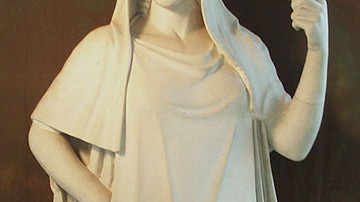
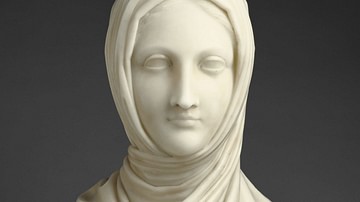
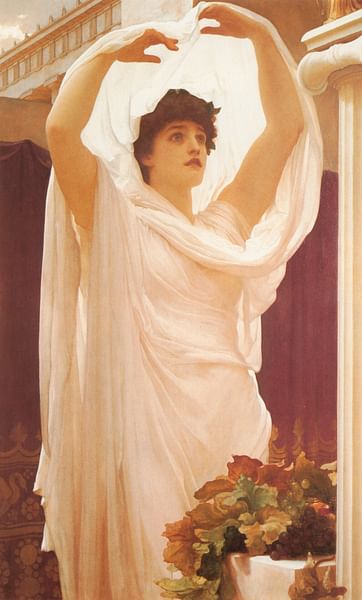
Vesta is always depicted as a fully-clothed woman accompanied by her favorite animal, the ass. Since Vesta was goddess of the hearth she was also the patron goddess of the bakers of the city and, as the ass turned the millstone to grind the wheat for the bread, the animal became closely associated with the goddess. She is also frequently depicted holding a kettle (a symbol of the hearth) and also cut flowers (symbolizing domesticity). Like the goddess Bastet in Egyptian belief, Vesta was of special service to women but was popular with both sexes. She was the proctectress of Rome in that she cared for and maintained the homes of each of its citizens. Of all the Roman deities, only Vesta was accorded the honor of full time clergy devoted solely to her rites.
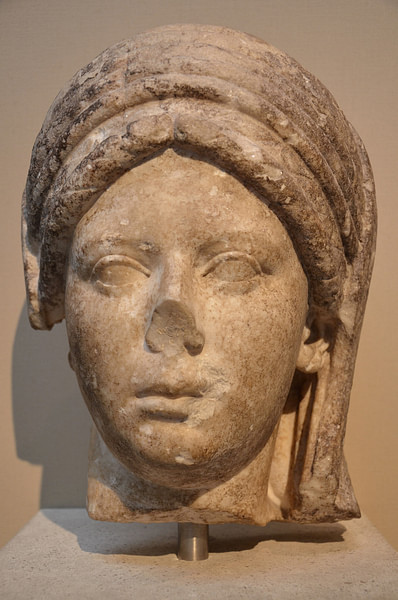
The Vestal Virgins kept the sacred fire burning in her temple and tended to her hearth in gratitude for her charity and care of the people. They were disbanded in 394 CE by the Christian emperor Theodosius I who also prohibited the worship of Vesta along with the other gods of the pagans and closed the schools and temples. After almost one thousand years of observance in Rome, the sacred fire of Vesta was extinguished and the new Christian faith instituted their own rituals.